
Have you ever seen a farmer spraying their crops? They might be using pesticides, which are chemicals designed to protect fruits and veggies from pesky bugs, weeds, and diseases. Farmers use them to help their crops grow big and strong, making sure we have enough food to eat.
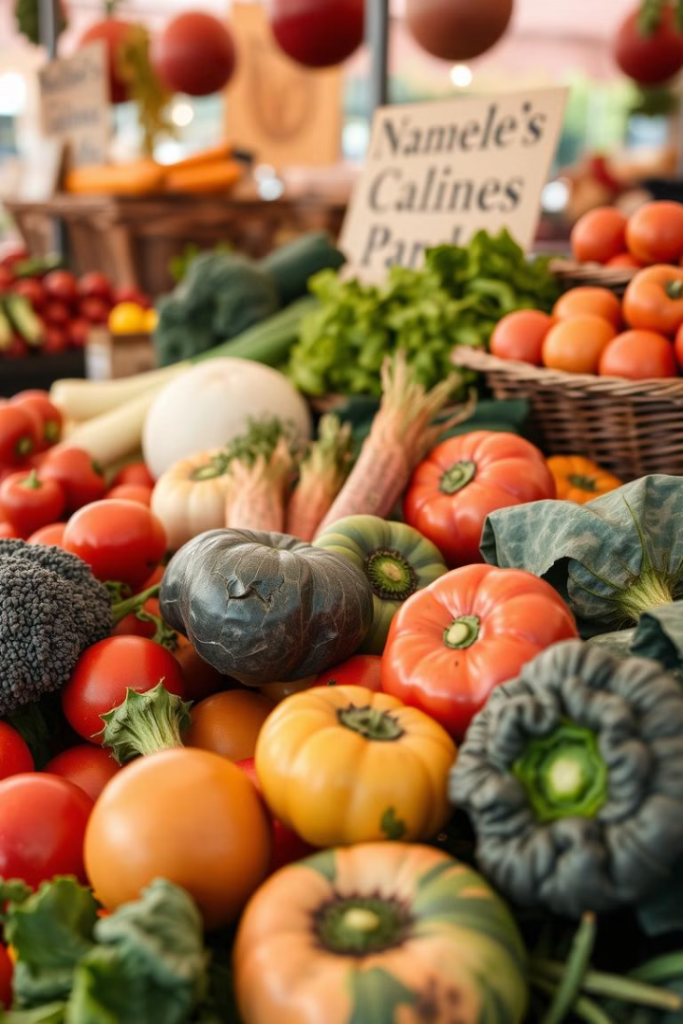
Pesticides: Not Always Our Friends
While pesticides can be helpful for farmers, they can also be harmful to people, especially kids! Our bodies are still growing and developing, making us more sensitive to the effects of pesticides.
Pesticides can be found in:
- The air we breathe.
- The soil where our food grows.
- The water we drink.
Street Pesticides: Danger Zone!
Sometimes dangerous pesticides meant for farms are sold illegally on the street. These street pesticides are often in unlabeled containers, making them extra risky. They contain high concentrations of toxic chemicals, posing a serious health risk, particularly for children.
About Water
Before you wash your hands, vegetables and fruits, ensure the water is safe. If you are using rainwater, borehole, river water and even including some municipality water, it might be useful to buy a high quality water filter.
Protecting Ourselves and Our Families
We need to be careful and take steps to protect ourselves and our families from pesticides.
Here’s what you can do:
- Never touch or play with pesticides! Tell an adult if you see unlabeled containers or pesticides lying around. Remember, pesticides are not toys!
- Always wash your hands before eating. This helps remove any pesticide residue you might have touched.
- Wash all fruits and vegetables with water before eating. This helps remove dirt, germs, and pesticide residues. Scrub firm fruits and vegetables with a brush, with the help of an adult, for extra cleaning power.
- Peel fruits and vegetables whenever possible. The peel can contain higher levels of pesticide residue.
- Talk to your family about choosing organic fruits and vegetables. Organic produce is grown without synthetic pesticides.
- Read food labels and look for the word “organic.” This tells you the food was grown without synthetic pesticides.
South Africa and Pesticides
South Africa uses a lot of pesticides to protect crops because of our warm climate and many insects. It’s important to use and dispose of pesticides properly so they don’t harm our environment. Pesticides can wash into rivers and dams, harming fish and other animals.
Good News! South Africa has rules and regulations about how pesticides can be used and sold. These rules are designed to keep people and the environment safe.
What Can You Do?
You can make a difference! Talk to your family and friends about the safe use of pesticides. You can also reduce pesticide use in your own garden by exploring natural pest control methods. Let’s work together to keep ourselves and our environment healthy!
Here are some more things you can do:
- Encourage your family to buy local produce from farmers who use sustainable farming practices.
- Visit a local farmers’ market to learn how food is grown.
- Read labels carefully and ask questions about how your food is grown.
- Talk to your teachers and parents about pesticides.
By being informed and making smart choices, we can all enjoy healthy and safe fruits and vegetables!