
Nettle (Urtica dioica L.) is utilised as a botanical pesticide through various preparations, primarily extracts and slurries, which serve as insecticides, fungicides, and acaricides.
Preparation Methods for Nettle Pesticides
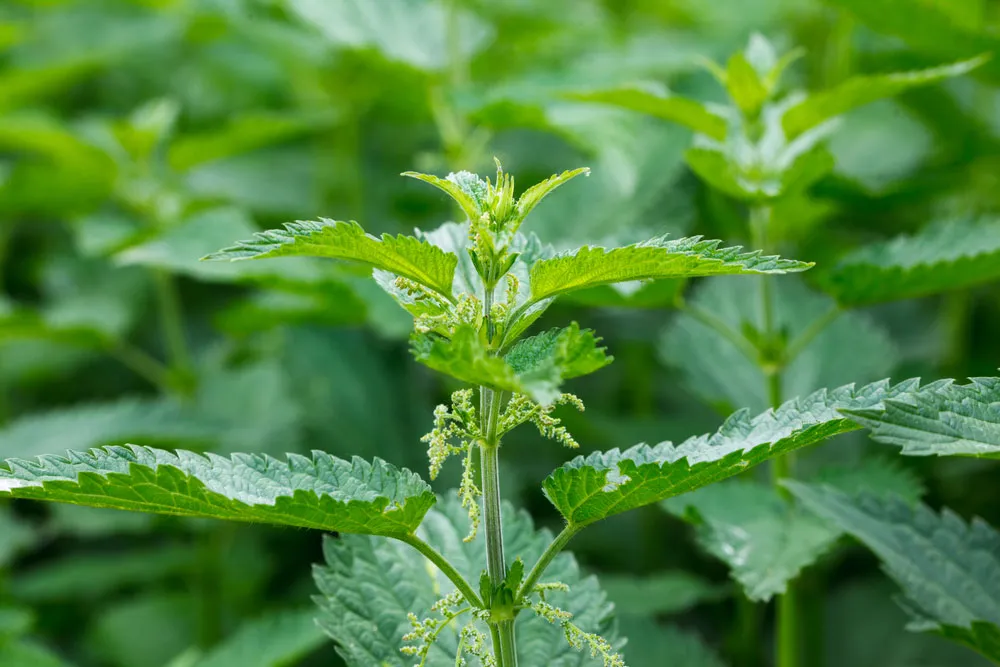
One method for preparing a stinging nettle biopesticide, documented in field experiments in Kenya using Urtica diversifolia, involves drying and fermenting the plant material:
- Harvesting and Drying: Leaves of the stinging nettle are cut and dried under shade to facilitate moisture removal while retaining the plant’s components and nutrients.
- Grinding: The dried leaves are ground into a fine powder and stored in airtight plastic bags until use.
- Fermentation: A concentrated pesticide solution is prepared by mixing five kilograms of the powdered Urtica diversifolia with 50 liters of warm water and allowing it to ferment for seven days.
- Straining: The fermented solution is strained using wire mesh sieves to remove coarse plant materials, followed by using a muslin cloth to filter out small suspended particles, resulting in a clearer liquid.
- Dilution and Application: This concentrated liquid is then diluted with five liters of water (achieving a ratio of approximately 1 kg of fermented leaf powder to 5 liters of water). The plants are typically sprayed with this final solution once a week.
Another common agricultural application involves nettle slurry. The use of stinging nettle slurry as a manure in organic farming for horticultural crops has been noted in Spain. A bucketful of nettles steeped in rainwater for a month can make an excellent liquid fertilizer.
Targets and Effectiveness of Nettle Extracts
Nettle extracts and preparations are used to manage various pests and pathogens, sometimes due to the plant’s own biological compounds (like phenolic compounds) or its ability to support natural predators:
- Pest Control (Insecticide/Acaricide): Under Basic Substance regulations in the European Union, nettle extract is authorized as an insecticide, fungicide, and acaricide.
- Nettle extract can control codling moths, diamondback moths, and spider mites.
- Planting nettles promotes the presence of aphid predator species, increasing the natural control of bugs.
- Water extracts of Urtica dioica have been shown to be active as a natural pesticide against aphids and sometimes act as an aphid repellent.
- In Nepal, stinging nettle is used in Integrated Pest Management (IPM) to repel pests such as cabbage butterfly larvae, hairy caterpillars, cutworms, red ants, termites, and aphids.
- Nettle lectins have shown insecticidal activity against cowpea weevils.
- Field studies investigating the efficacy of stinging nettle (U. diversifolia) as a biopesticide showed a significant reduction in pest damage levels on treated plots compared to control plots.
- Disease Control (Fungicide/Antimicrobial):
- Nettle extract can control fungal issues like Pythium root rot, powdery mildew, early blight, late blight, Septoria blight, Alternaria leaf spot, and grey mould.
- Nettle slurry helps strengthen the natural defenses of plants against certain pathogens, including powdery mildew, peach bubble, and downy mildew, primarily aiding in prevention.
- Stinging nettle extracts possess antifungal properties.
- The phenolic compounds found in nettle are believed to contribute to its antibacterial activity, demonstrating inhibition against bacteria such as Escherichia coli, Klebsiella pneumoniae, and Methicillin-resistant Staphylococcus aureus (MRSA).
Cautions
Although botanical pesticides like stinging nettle offer an effective alternative pest control technique for small-scale farmers, plant products are complex and may contain variable mixtures of chemical compounds with possible negative side effects on humans. Therefore, a detailed scientific test of the environmental and mammalian toxicity of Urtica diversifolia is required before expanding its use as a pesticide.